Direct billing available — Book your complimentary discovery call today

Why Early Care Matters
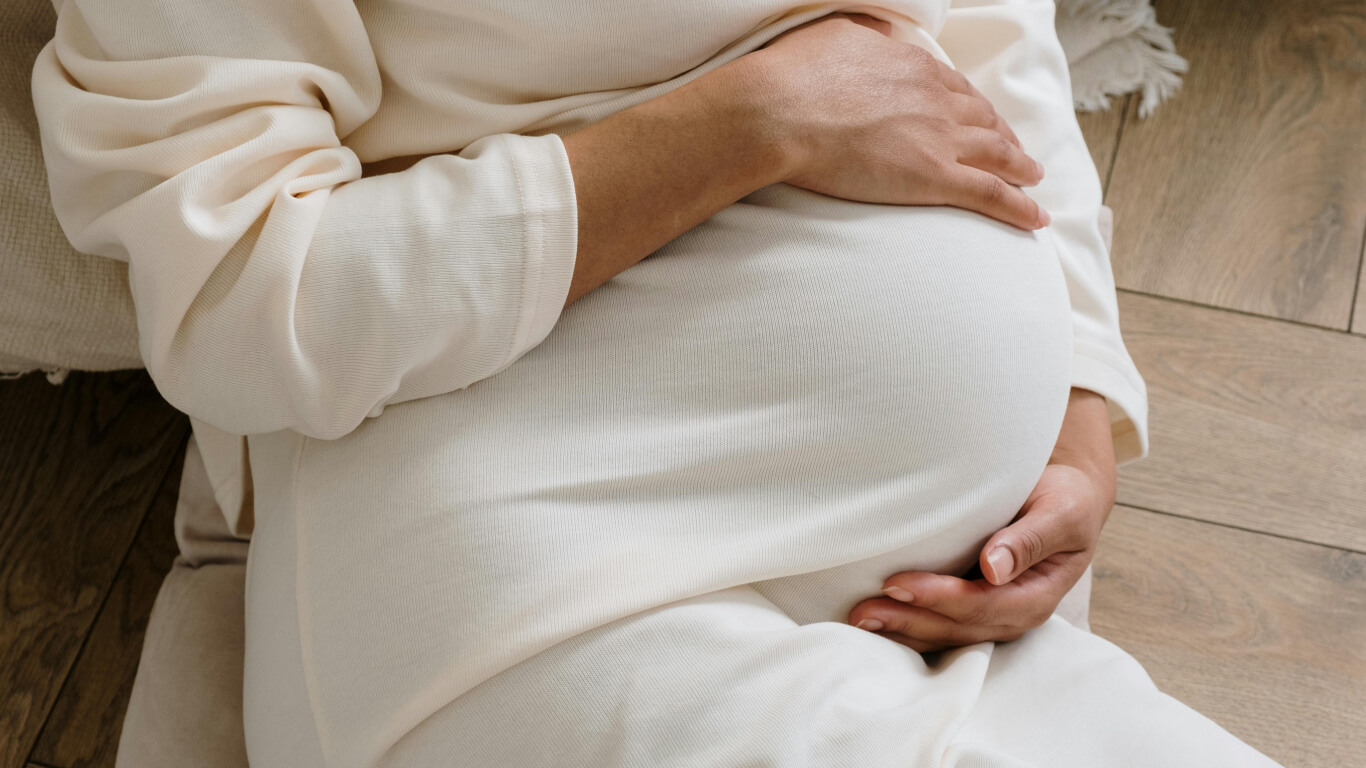
Many women diagnosed with Polycystic Ovarian Syndrome (PCOS), endometriosis, adenomyosis, uterine fibroids and other gynecological disorders during their peak reproductive years can trace the first signs of imbalance back to adolescence. Painful periods, severe PMS, irregular cycles, mid cycle symptoms, hair growth, or abnormal bleeding often began in the teen years and were normalized, ignored, or temporarily suppressed rather than addressed.
Cycle irregularities are not simply an inconvenience. They are signals. When the body repeatedly struggles to cycle smoothly, it may point to deeper imbalances that, left unresolved, can evolve into more complex gynecological conditions that not only affect quality of life but also reproductive functions.
The Culture of Pushing Through
For many teens and young adults, the expectation is to push through monthly pain, fatigue, mood swings, and discomfort. Pain medications and hormonal birth control are often offered as firstline solutions, and for many, they provide essential short-term relief and improved quality of life.
It’s important to say clearly: these tools have value, and for some individuals they are necessary.
However, when used as the only approach for months or years without investigating underlying causes, symptoms may be muted rather than resolved. Over time, unresolved hormonal imbalance, chronic inflammation, stress, and nutritional depletion can progress into conditions such as:
How Menstrual Irregularities Progress
Chronic menstrual challenges don’t always look dramatic at first. They can show up subtly, including:
Over time, these patterns can affect overall vitality, emotional regulation, and reproductive health.
Heavy or prolonged bleeding, for example, can lead to nutrient depletion and anemia, contributing to fatigue, brain fog, hair loss, and weakened immunity. Meanwhile, light or irregular cycles may reflect inadequate nourishment or circulation within the reproductive system showing up as thin uterine lining, poor egg quality over time, or inability to carry a pregnancy full term.
The Impact on Quality of Life
Unresolved menstrual pain and hormonal imbalance don’t only affect the uterus, they affect the whole person.
Chronic symptoms can lead to:
When the body is in a constant state of strain, both physical and emotional resilience suffer.
A Preventative, Whole-Body Approach
The encouraging news is that many cases are not irreversible. Early and consistent care during adolescence and early adulthood can significantly reduce the risk of progressive gynecological conditions later on.
Supportive treatment may include:
The goal is not to override the body, but to help it regain a healthy rhythm.
Natural Home Care for Preventative Support
Small, consistent home practices can make a meaningful difference when introduced early.
Cold sensitivity, especially cold feet or a cold lower abdomen, can signal reduced circulation.
Essential oils such as cinnamon, ginger, or mugwort (properly diluted and topically applied) can be helpful for those who tend to feel cold or experience cramping related to cold sensitivity.
Chronic digestive issues like bloating, loose stools, poor appetite, or fatigue after eating can interfere with the body’s ability to extract nutrients needed for healthy cycles.
Over time, this can contribute to:
Prioritize:
Ongoing stress is a “silent” disruptor. It can interfere with ovulation, worsen pain, and interfere with cycle timing.
Helpful practices include:
Stress doesn’t stay in the mind, it settles into the body.
Some individuals may benefit from castor oil and herbal blends applied to the belly button or lower abdomen at specific times in the cycle, under the guidance of a qualified healthcare practitioner. This practice is not appropriate for everyone and should be personalized.
Looking Ahead: Prevention Is Empowerment
Menstrual health and cycle awareness is a longtterm investment. Treating pain and irregularities early, especially during the teen and young adult years, can protect not only future fertility, but overall health and quality of life.
Periods should not be something to dread month after month. With early attention, thoughtful care, and whole body support, many progressive gynecological issues can be softened, slowed, or prevented entirely.
Listening early can change everything.
Take the first step toward wellness and quality living.

237 Christie St. Toronto
Upstairs Room 3
647-888-3943
Mon-Tue: Closed
Wed-Fri: 10am-7pm
Sat-Sun: 9:30am-4:30pm
© 2026 Integrated Elements Acupuncture + Health. All Rights Reserved.